Being Resilient

Stress doesn’t make a reservation. But a strong resilience practice lets you meet it at the door—and change your relationship with it.
Resilience isn’t about getting everything right. It’s about getting honest. It’s about noticing what’s working, where we’re depleted, and remembering that we always have choices to respond in ways that sustain us and the people around us.
When I began writing this series, I wasn’t aiming for quick fixes. I wanted to start a deeper conversation to help us tune into our stress patterns, shift our collective mindset, and strengthen the parts of us that already know how to recover and rise.
I’m both thrilled and humbled that these reflections have resonated with over 500 readers. I hope you’ll keep sharing your ordinary magic with others.
As we wrap up this 12-part series introducing a resilience practice, we return to the foundation: resilience isn’t about bouncing back. It’s about growing forward—with more awareness, more compassion, and more intention. And the world could certainly use more of that.
Coming up next, we’ll explore what I call Resilience 2.0: the stories we tell ourselves. We’ll look at the subtle scripts, the inner critic, and the quiet habits of self-sabotage. These patterns—often hidden, often inherited—can steal our energy, clarity, and courage.
But for now, read on for a few ways to bring resilience into your daily life, and grab two free resources I’m offering to support your practice.
Resilience doesn’t begin in crisis. It begins in practice.
Resilience is more than a moment—it’s a practice. It takes intention and awareness to maintain sustainability over time. By embedding small practices like self-awareness and connection into our lives, we build a buffer against burnout and thrive through change.
Over the past eleven articles, we have explored practical ways to understand stress, respond to challenges, and develop inner strength. From noticing your stress reflex to rewiring your mindset, from regulating your body to reconnecting with others—it’s all been about learning to respond instead of react. You’ve reflected, reset, and practiced.
Now comes the real work—sustaining resilience in daily life.
Resilience isn’t something you tick off a list. It’s something you build through repetition, choice, and awareness. It’s what grows stronger every time you meet difficulty with even the smallest bit of self-compassion or perspective.
Sustaining resilience means moving from “bouncing back” to “bouncing forward”—integrating what you’ve learned and using it to support not only yourself, but also those around you.
You Don’t Have to Start Over Every Time
You’ve probably had moments during this series where you slipped back into old patterns. That’s normal. Sustainable resilience isn’t about perfection—it’s about capacity. About recovering faster and more intentionally. You can’t always stop the storm, but you can get better at navigating through it. Over time, the tools that once felt like effort—pausing, naming emotions, reaching out—become habits. And habits shape who you’re becoming.
What are you taking with you? What are you ready to leave behind?
Resilience doesn’t mean always getting it right. It means honoring your capacity to adapt, recover, and keep going. Even if you stumble. Especially if you stumble.
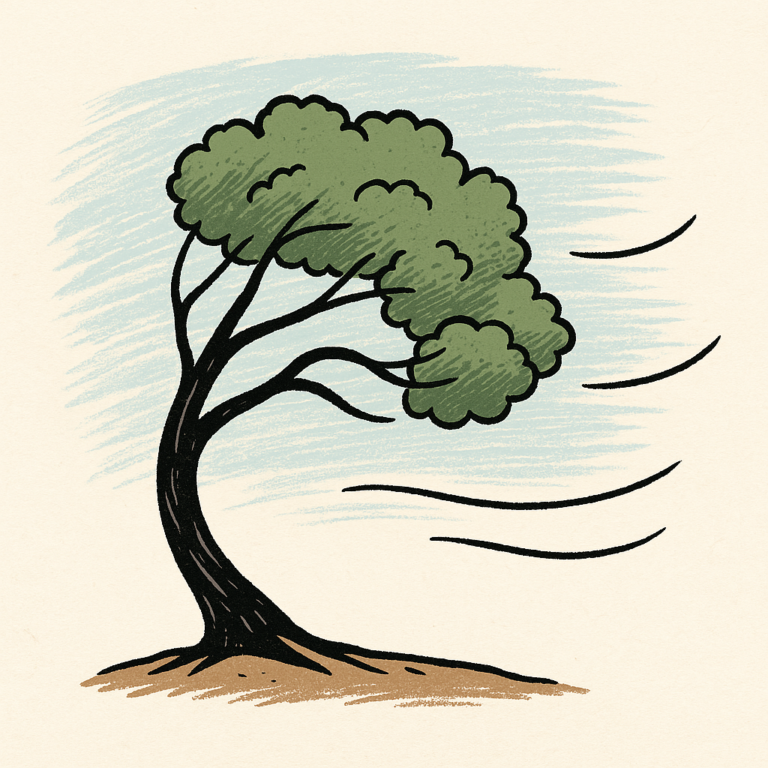
Build a life that bends—but doesn’t break. Small practices, done consistently, build resilience.
Tweet
What’s your resilience level? Take the quiz at opalcoaching.com
#Resilience #BeingHuman
Below, you will find something to do, read, and watch. I have included one thing to reflect on, a gentle nudge to prompt a resilience practice, and a short thought to reset your resilience. I follow with other sources to continue building your resilience toolkit.
To Do

Reflect:
Which resilience practices came easiest for you?
Which ones do you want to commit to keeping?

Nudge:
1. Write your own personal resilience statement: “I am someone who…”
Example: “I am someone who breathes before reacting.” (Finish the sentence with a strength you want to claim or a mindset you want to practice.)
Try this “Keep, Stop, Start” check-in:
- What will you keep doing that’s working?
- What will you stop doing that drains or derails you?
- What will you start doing to stretch your resilience?

Reset: Resilience isn’t about bouncing back. It’s about becoming: more aware, more responsive, more connected. More you.
To Read
“The Everyday Resilience Journal” by Dr. Robyne Hanley-Dafoe – A beautifully practical resource for sustaining resilience in real life, with short reflections and prompts to keep your habits alive over time.
To Watch
TEDx Talk: “The Three Secrets of Resilient People” by Lucy Hone – A research-backed and deeply moving look at what truly keeps resilience alive in the long term.
Next
In the last 12 articles, we’ve covered the basics of resilience. You can revisit these practices as often as you need. Reflect. Practice your Resilience Nudges. Reset your thinking. This isn’t the end—it’s a new beginning. Revisit these practices as often as you need. And if you want support on your path, I’m here.
The next series of articles delves into the inner work of resilience, uncovering and shifting the thought patterns, that I call the Inner Critics, that quietly shape how we navigate challenges and self-worth.