Beware the Emotional Vampires!
How to recognize draining relationships and protect your energy.
Not all vampires wear capes. Some show up in a cubicle, around the backyard fire pit, or on your phone.
Years ago, I had a “friend” who was so emotionally draining that I found myself crying after we got together. My daughter, who was five at the time, offered a remarkably simple solution: “Why don’t you just walk away?”
Good question. Why didn’t I?
Sometimes others notice an unhealthy pattern before we’re ready to see it ourselves. Even when we recognize the drain is happening, we might not understand why we keep taking responsibility for someone else’s emotions, problems, or expectations.
Of course, walking away isn’t always that simple. Family obligations, workplace power dynamics, financial ties, and relationships we value can complicate boundaries. And not every emotionally draining person is trying to drain us.
We can learn to spot these patterns and make more thoughtful choices about how we interact.
Read more about five emotional vampires to look out for, why they affect us, and some practical ways to protect your energy this Halloween and beyond.
Why Some People Leave You Drained
You walk into a conversation feeling fine and walk out tense, tired, or irritable. There’s a reason for that.
One explanation is emotional contagion. Elaine Hatfield and her colleagues found that we automatically mimic the facial expressions, tone, and posture of the people around us. That mimicry pulls our own emotions along with it. We catch moods the way we catch yawns.
In a previous article about connection, I talked about co-regulation. When we’re with people we trust, our nervous systems borrow stability from them. Emotional contagion is the flip side. Spend enough time around someone who is anxious, angry, or in constant crisis, and you may find yourself becoming tense or unsettled, too. Your shoulders creep up, your patience thins, and you leave wondering why you’re suddenly exhausted. You may not have experienced the crisis yourself, but your body may still be responding to the emotional atmosphere.
But emotional contagion is only part of the story. Some interactions drain us because we constantly manage someone else’s reactions, defend our choices, or suppress our own needs to keep the peace. Others simply demand more attention and emotional effort than we have available. The common denominator isn’t always the other person’s mood. It’s how much energy we expend navigating the relationship.
That’s why energy is more important than time in these situations. A 20-minute call with the wrong person can leave you more drained than a whole workday.
Why We Don’t Just Walk Away
My daughter’s question deserves a real answer. Most of us don’t stay in these situations because we’re foolish. Our brains have their reasons.
Rejection hurts. Research by Matthew Lieberman and colleagues suggests that social rejection and physical pain engage some overlapping brain regions. Our need for belonging is powerful, and disappointing someone can feel threatening even when we know a boundary is necessary.
Fawning is another stress response. Most people know about fight, flight, and freeze. Therapist Pete Walker popularized fawning as a fourth response to perceived threat. When conflict feels unsafe, we try to keep the peace, smooth things over, and manage the other person’s feelings to avoid tension. For some people, appeasing others feels safer than risking conflict, even when they know it’s not in their long-term best interest. I see this frequently in clients navigating toxic workplaces, where the fear of losing a job can make speaking up feel too risky.
We think about what we’ve already put into a relationship. Behavioral economists call this the sunk cost fallacy. The more time, energy, and emotion we’ve invested in a relationship or job, the harder it becomes to walk away, even when staying costs us more. We don’t want to feel that everything we’ve invested was wasted.
The good moments keep us hooked. Many draining relationships aren’t draining all the time. A friend who monopolizes every conversation can also be generous and funny. Those good times are real, and they make it easier to excuse the hard times. It’s hard to set a boundary when we genuinely care about someone and still see the best in them.
Being needed becomes part of who we are. If you’ve spent years being the dependable one, the problem solver, or the person everyone turns to, stepping back can feel surprisingly uncomfortable. Saying no isn’t just changing your behavior. It may challenge how you see yourself and what you believe makes you valuable.
None of this means there’s something wrong with you. Your brain is just trying to protect your connections and keep you safe. Your brain is trying to protect your connections and keep you safe. The challenge is recognizing when that protection starts costing you more than it helps.
Meet the Emotional Vampires
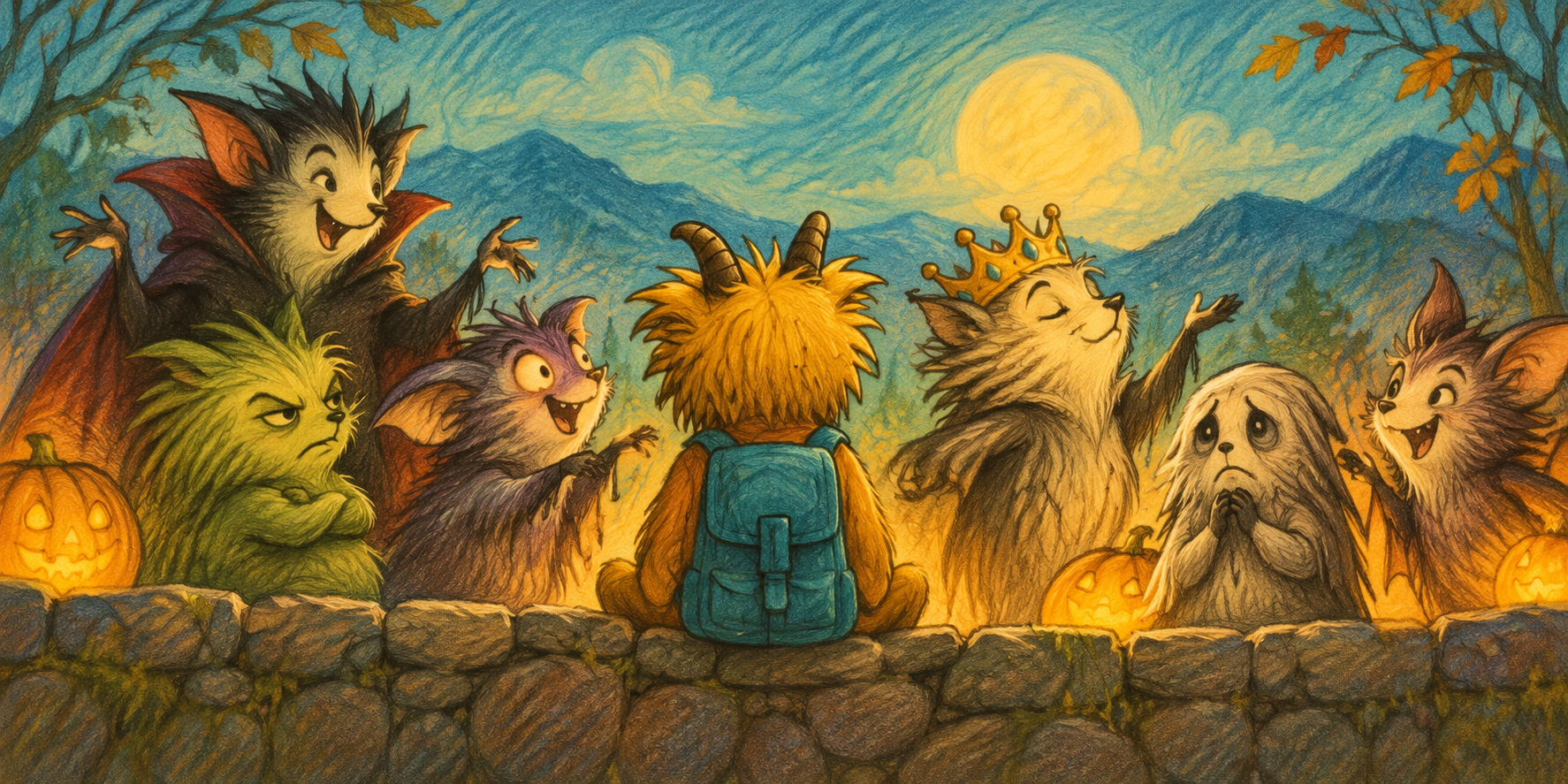
Here are five types of emotional vampires. You might spot one right away, or you might see a few of these traits in the same person.
Count Drama-cula creates one crisis after another, repeatedly drawing others into the drama without taking responsibility for what they can change. Every conversation becomes an emergency, and you leave feeling responsible for fixing it.
Boundary: Listen with compassion, but don’t try to fix everything. You can say, “That sounds hard. What do you think you’ll do?” and let them take responsibility. If the crisis starts up again, change the subject or step away.
The Control Freak-ula insists on having things their way and dismisses your feelings or opinions. Disagreement becomes a contest you’re expected to lose.
Boundary: Stay calm and don’t get drawn in. You don’t have to win the argument to keep your boundary. Saying, “I see it differently, and I’m going to stick with my decision,” is enough.
Count Me-Me-Me makes everything about themselves, with little room for your needs or feelings. You share good news and somehow end up hearing about their promotion.
Boundary: Keep your expectations realistic and be careful about what you share, especially things that matter most. Notice when a relationship isn’t balanced, and save your deeper conversations for someone else. When there’s a power imbalance, clarify expectations, document agreements, and choose which decisions are actually yours to make.
The Guilt Ghoul uses guilt to turn your no into a yes. “After everything I’ve done for you” is a favorite line.
Boundary: Be kind, but stick to your no. You don’t have to give a long explanation; long explanations just give the Guilt Ghoul more to push back on. “I can’t this time” is enough.
The Chatter Bat can turn a quick hello into a 45-minute monologue. They rarely notice when you’re trying to contribute or when you’ve run out of time.
Boundary: Decide on a time limit before you start talking and leave when it’s up. Saying, “I’ve got about ten minutes before my next call,” gives you both a clear ending.
These are patterns of behavior, not personality diagnoses. Most of us can recognize a little of ourselves in at least one of them.
A word of caution: draining behavior and harmful behavior are different things. If someone controls your money, isolates you from others, threatens you, or makes you feel unsafe, that goes well beyond an emotional vampire. Please contact a therapist, a trusted person, or, in the US, the National Domestic Violence Hotline at 1-800-799-7233.
When You Can’t Walk Away
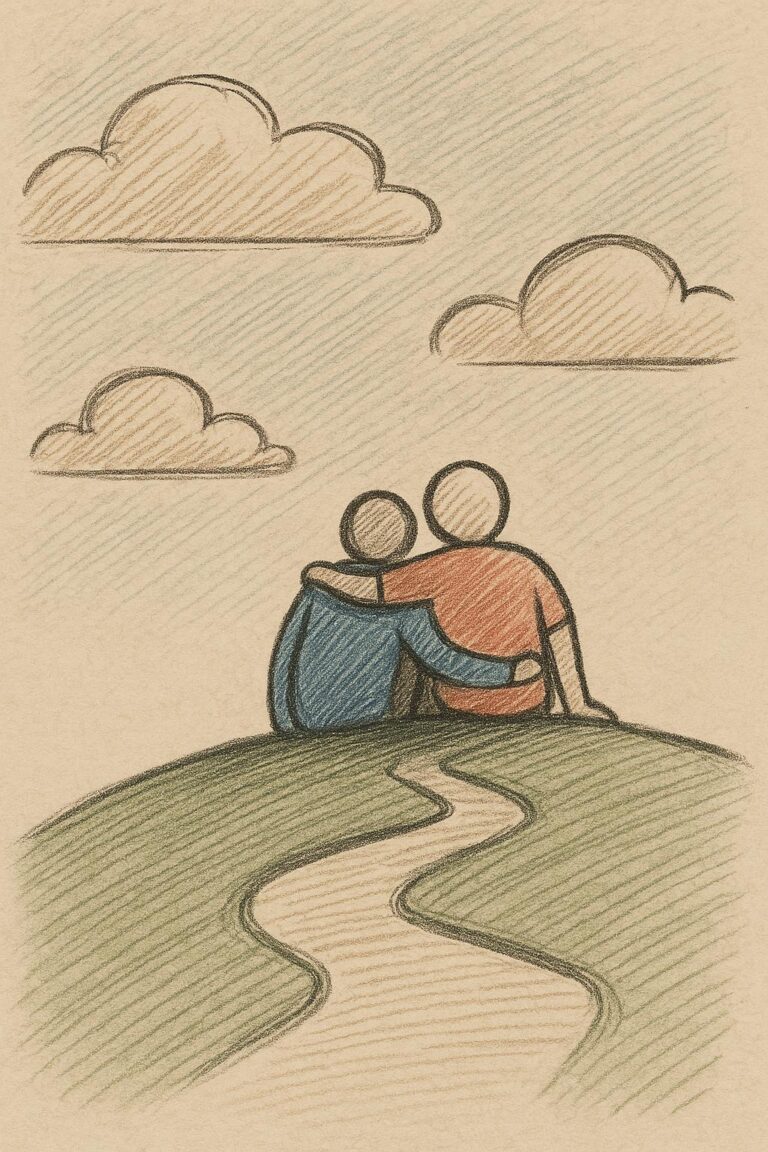
For many, walking away may not be a realistic option. The emotional vampire is your boss, your mother, your co-parent, or the person in the next cubicle. You may depend on that relationship for your income, your housing, or your family’s stability. Boundaries still work here; they just look different. The goal isn’t to make the other person behave differently. You may have very little influence over that. Instead, focus on what you can control: how long you engage, what you share, how you respond, and what you do when the interaction becomes unhealthy.
Shorten the Exposure. You might not be able to end the relationship, but you can try to limit how much time you spend together. Shorter visits, calls with a set end time, and meetings with a clear agenda all help you save energy.
Add some structure. Open-ended interactions can make draining patterns harder to interrupt. Going for a walk, doing a shared task, or meeting in a public place can help keep the conversation on track.
Bring someone else along. Having another person in the room changes the dynamic. Or, if the problem happens mostly in person at work, try moving the conversation to email instead.
Step back emotionally. You don’t have to absorb every crisis, criticism, or guilt trip. Notice when you’re getting pulled into the emotional current, and pause before responding. Some people find it helps to quietly remind themselves: “That’s their storm, not mine.”
Plan your recovery. If you know a meeting or dinner will leave you drained, set up something restorative afterward—a walk, a call with someone supportive, or just some quiet time. Recovery is part of setting boundaries, but it’s a supplement here, not a way to tolerate harmful behavior.
Not Every Vampire Is a Villain
Most emotional vampires aren’t trying to drain anyone on purpose. Many are anxious, lonely, grieving, overwhelmed, or just repeating old patterns. Count Drama-cula might really feel like life is one emergency after another. The Chatter Bat might live alone and have no one else to talk to.
Knowing this can help you respond with compassion without taking on the burden. Researchers studying empathy and compassion, including Paul Bloom and Kristin Neff, remind us that caring about someone doesn’t require taking on all their suffering. There’s a difference between being overwhelmed by another person’s distress and responding with compassion while staying grounded.
It’s also good to be honest with ourselves. Most of us have been on the draining side of a relationship at some point. During a crisis, burnout, or illness, I’ve needed more than I could give back. That’s just being human. Needing support doesn’t make someone an emotional vampire. The pattern becomes problematic when one person’s needs consistently override everyone else’s, with little awareness or willingness to adjust. What matters is noticing when we’re leaning on someone, saying thank you, and giving support back when we can.
Your Energy Is the Budget
In my articles about chronic illness, I talked about managing energy instead of time. That idea works with our emotional capacity, too. Healthy boundaries help you decide where your energy goes. As I’ve written before, boundaries aren’t creating armor or walls. They’re more like gates. Healthy boundaries let you choose when to let people in and give you an exit when you need it.
The best protection against an emotional vampire is a healthy boundary. Garlic is optional.
To Do

Reflect: Who consistently leaves you feeling more depleted afer an interaction? Which vampire pattern do you recognize, and what role do you tend to play in it: rescuer, peacekeeper, audience, or something else? What makes it difficult to change that pattern?

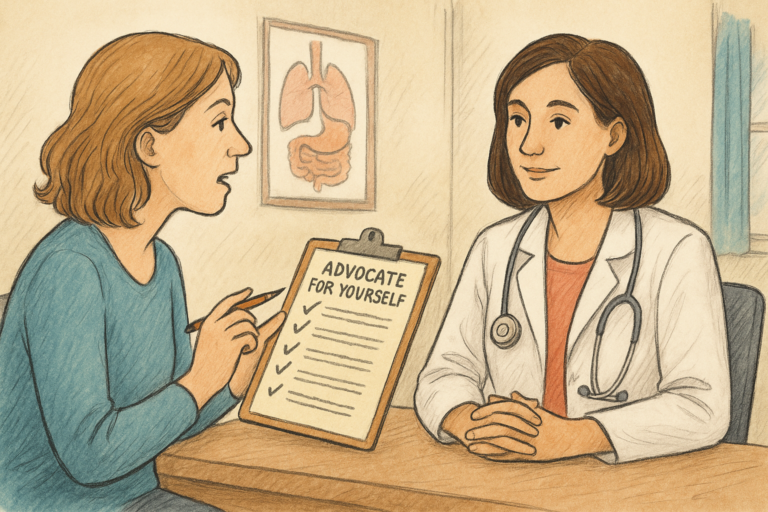
Nudge: Choose one draining interaction coming up this week. Decide on one boundary before it happens: a time limit, a topic you won’t engage in, or a no you’re prepared to hold. Notice what happens when you follow through, including how you feel afterward.

Reset: That’s their storm, not mine.
To Read
Set Boundaries, Find Peace by Nedra Glover Tawwab. A therapist’s practical guide to recognizing where boundaries are missing and setting them with family, friends, partners, and coworkers. It includes sample language for hard conversations, which is useful if you are like me, when you know what you need but can’t find the words.
To Watch
Good Boundaries Free You by Sarri Gilman, TEDxSnoIsleLibraries. In this 16-minute talk, marriage and family therapist Sarri Gilman describes boundaries as an inner compass with two words on it: yes and no. She is candid that listening to your own yes and no can stir up other people’s anger or disappointment and explains why holding the line is still worth it.
Next
If you recognize these patterns but still struggle to hold your boundaries, you’re not alone. In coaching, we explore what’s keeping you in those patterns and develop practical ways to protect your energy without abandoning the relationships that matter. If you’re ready to make a change, schedule a free coaching conversation at opalcoaching.com.
If you’d like to start on your own, check out the Burnout Toolkit in the Resources section, which includes worksheets, a self-assessment, and a short video to help you spot what’s draining your energy and start setting healthier boundaries.
In my next article, we will explore more about how to make boundaries stick.