Need a Glow Up? Spotting Burnout Early
Burnout doesn’t set an alarm. Catch the signs, and you can stop the drain.
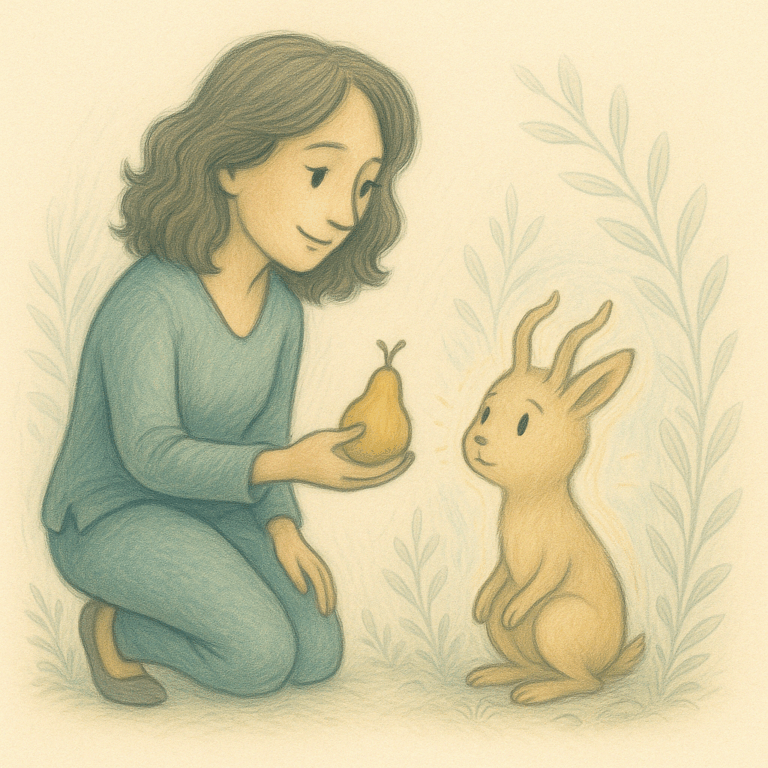
I’m an accidental member of the 5 a.m. club. Not because I am a morning person, but because it’s the only time I can make the trip down the mountain to the gym without disrupting work or home life. One morning, as a fellow fitness class member and I were waiting for the doors to open, she anxiously watched her car, its headlights still blazing across the parking lot. As we walked through the gym to class, she kept glancing back through the windows, hoping the lights had gone off. They hadn’t. She slipped out the side door to shut them off before class began.
Why the urgency? Because batteries only have so much to give. When a car’s engine is off and the lights stay on, the battery becomes the sole power source, draining energy without being recharged. Left too long, the power draw can leave the car unable to start, sometimes even damaging the battery’s long-term capacity.
Our bodies work the same way. When we keep running on “lights on, engine off”—burning energy without moments of recharge—we slowly deplete our reserves. At first it shows up as tiredness or irritability. Push it further and it becomes full-blown burnout: no spark left to get going, even when you need it most.
Burnout is a familiar concept, but often easier to see in others than in ourselves. The key is awareness. Read on to learn to spot the signs early, what actions can stop the drain, and take steps to recharge. And get the link to take my new Glow Up Quiz to test your own burnout levels.

Burnout is on the Rise
Burnout is more common than ever. The World Health Organization defines it as “a syndrome resulting from chronic workplace stress that has not been successfully managed.” But burnout isn’t limited to the workplace. It shows up in parenting, caregiving, job searching, and even in social obligations.
Why the rise? The biology of stress hasn’t changed—but our environment has. Workloads are heavier, hours are longer, and technology has blurred the lines between “on” and “off.” Add market instability, political strife, job insecurity, and the pressure to keep family, education, and fitness goals afloat—and you have the perfect recipe for exhaustion.
The trouble is that burnout erodes the very systems designed to protect us. Cortisol stays elevated, the immune system weakens, and emotional regulation falters. In short: burnout drains resilience at its biological roots. The more depleted you are, the more difficult it is to recover from stressors. Left unchecked, it can spiral into anxiety, depression, illness, or complete disengagement from relationships and work.
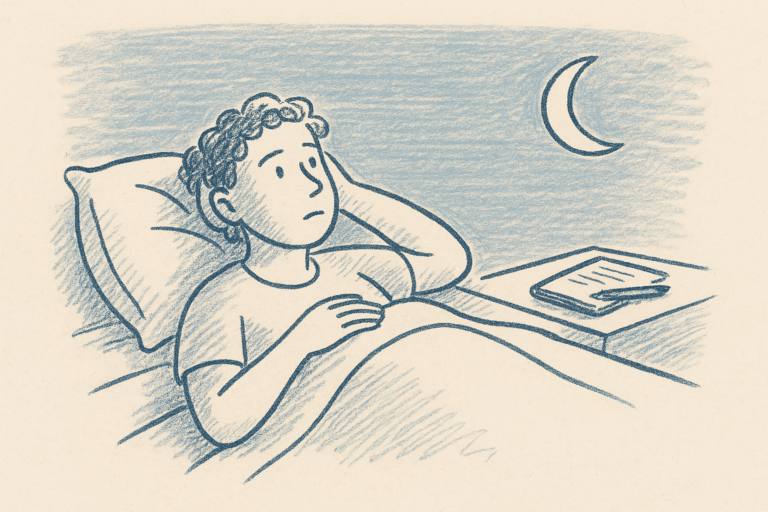
Early detection matters. Burnout can start quietly, then snowball into serious health and life consequences. Warning signs include:
- Physical aches and pains, sometimes severe
- Loss of interest in work or activities you usually enjoy
- Lack of motivation, not looking forward to your day
- Procrastination increasing, productivity decreasing
- Indifference to quality or meeting expectations
- Persistent feelings of overwhelm
- Frequent illness or lowered immunity
- Emotional disconnection from family, friends, or coworkers
Unchecked, burnout doesn’t just drain energy. It can trigger illness, deepen disconnection, and reshape how you see yourself and your work. The first step is awareness. Recognizing the early signs of burnout gives you the opportunity to course-correct before the consequences become more severe. The real cost is the sense that you’ve lost control of your time and energy. The goal of recovery is to regain some freedom, restore balance, and rebuild your resilience.
Burnout doesn’t disappear by pushing harder. The antidotes are rooted in neuroscience and behavioral science. Research shows that small, consistent recovery practices restore energy and rebuild resilience. Here are the core levers:
- Rest and Recovery: Sleep is the number one buffer against stress. Seven to nine hours of sleep consistently support memory, mood, and physical health. Short breaks during the day lower cortisol and restore focus. During deep sleep, the brain clears metabolic waste through the glymphatic system, essentially washing out the buildup of stress byproducts. That’s one reason seven to nine hours matters so much.
- Boundaries: Clear limits around time and availability reduce the chronic stress cycle. This will be the focus of our next article.
- Connection: Burnout thrives in isolation. Talking openly with trusted peers, coaches, or mentors normalizes the experience and helps reduce feelings of shame.
- Movement: Physical activity helps combat the stress response by increasing endorphins and reducing muscle tension. Even ten minutes helps.
- Purpose: Reconnecting to what matters most—whether in work, relationships, or service—restores motivation and perspective.
No one solution works for everyone. What matters is experimenting with small shifts that give you back a sense of control and energy.
Take the Glow-Up Quiz – nine questions to check if you are headed for burnout
Burnout creeps in quietly. It often feels like “just being tired” or “just being stressed.” But if your quiz score landed in the moderate or high range, it’s worth identifying what’s showing up for you the most. Is it physical fatigue, mental overload, emotional depletion, or a loss of purpose? Naming the category helps you select the most suitable recovery strategies.
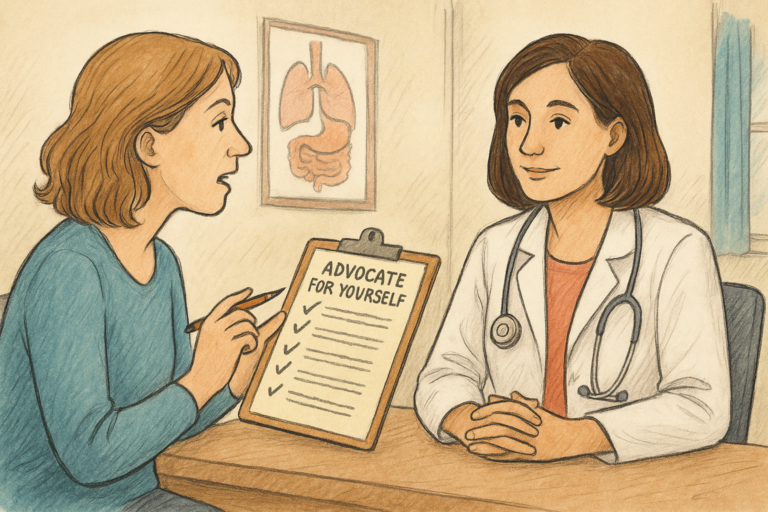
Burn out isn’t a diagnosis, it’s a prolonged state of stress. If you are not sure if what you are experiencing is burnout or something more serious like depression, or if you close to not functioning, please reach out to a medical professional.
To Do:

Reflect: What is draining me the most right now?

Nudge:
- Tense and Release. Tense your fists or legs for 5 seconds, then release. Repeating this pattern will interrupt your stress response and allow your body to stand down.
- Burnout requires help. The antidote to burnout transcends self-care; it’s communal care. Ask one person to help with one thing this week.
Reset: Burnout thrives in silence. You don’t need grit, you need help.
To Read
“The Burnout Challenge: Managing People’s Relationships with Their Jobs” Christina Maslach and Michael P. Leiter
To Watch
The cure for burnout (hint: it isn’t self-care) In this 18-minute video Emily Nagoski and Amelia Nagosk explain how to separate the stress from the effects from the stress.
Next
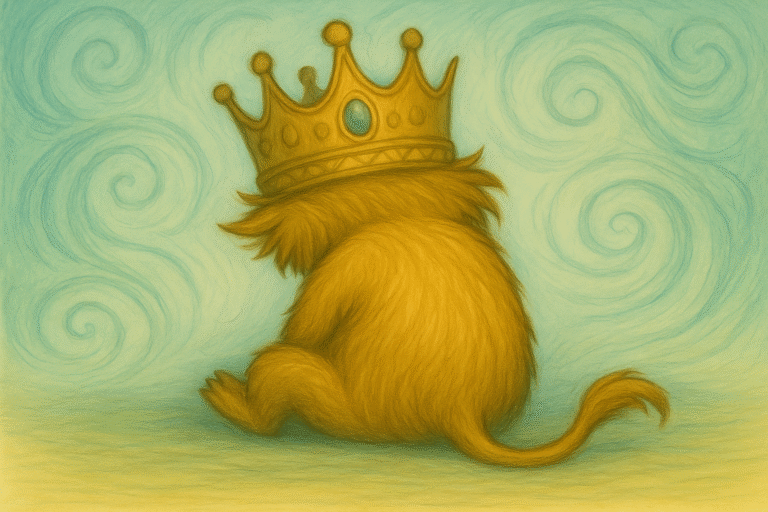
If burnout is widespread, leadership burnout is its amplified form. Carrying the weight of decisions, responsibility for others, and constant visibility makes the crown feel heavy. That’s where we’ll go next, to leadership burnout.