Self-Awareness is a Superpower
Stress Doesn’t Create New Habits—It Reveals Old Ones.
When I’m stressed, my voice sharpens, my urgency takes over, and even though I care deeply about others, I tend to lead with the job to be done instead of empathy and understanding.
Without awareness, those patterns run on autopilot and get worse under pressure. When that happens, I’m not leading the way I intend.Self-awareness helps me notice my emotional triggers before they take over—so I can regulate my tone, reconnect with my purpose, and make small course corrections in the moment.
It’s not about perfection. It’s about staying in relationship with myself, my impact, and my intentions—over and over again.What about you? Under stress, who shows up first: your empathy or your urgency? Read on to learn more about what to do to increase this foundational skill for sustainable resilience—and how practicing self-awareness makes continuous improvement possible, inside and out.
You Can’t Change What you Don’t Notice
You can’t change what you don’t notice. That’s why self-awareness is one of the most powerful tools in your resilience toolkit. It’s what helps you shift from reacting on autopilot to responding with intention.
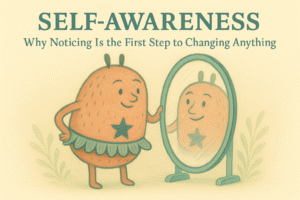
Self-awareness isn’t about judging yourself or overanalyzing every feeling. It’s about gathering information—honestly and compassionately—about what’s happening inside you, so you can respond more clearly to what’s happening around you. It means tuning into what’s happening in your body, your emotions, and your thoughts—so you can work with your experience, not against it.
If stress is like a wave, self-awareness is your ability to notice the tide rising before you get knocked over.
It’s especially important when emotions run high. Without awareness, emotions drive your choices from the back seat. With it, you can press pause, name what you feel, and choose a wiser next step.
You can’t change what you won’t name. Self-awareness isn’t overthinking—it’s noticing, naming, and making space to choose a better response. What’s your resilience level? Take the quiz at opalcoaching.com
Tweet
#Resilience #EmotionalIntelligence
Why Self-Awareness Builds Resilience
When stress hits, it often shows up in the body before it reaches your thoughts. Your heart races. Your shoulders tense. Your breath shortens. You might feel an urge to speak sharply, withdraw, or push harder.
These are stress cues. Self-awareness helps you recognize them early—before you act on them. You can’t manage what you can’t see. But once you can name your emotional state, you open up space to choose something different.
Studies in emotional intelligence and neuroscience back this up:
Even just labeling an emotion can reduce its intensity and calm the nervous system. That’s powerful. And it starts with awareness.
What to Pay Attention To
Your stress reflex and mind traps live below the surface. Self-awareness brings them into the light. And once they’re visible, they become workable.
- Emotional cues: What are you feeling right now? Can you name it without explaining or fixing it?
- Physical cues: What happens in your body when you feel anxious, angry, or disconnected?
- Behavioral cues: What do you tend to do when you’re overwhelmed? What patterns show up?
With practice, these check-ins can happen in seconds—and they’ll give you more choice in the moment.
To Do

Reflect: What emotion is hardest for you to name or acknowledge?


Nudge: Label your emotions three times today. Keep it simple: “I’m feeling ___.”
- You can write it down or use a mood-tracking app like Moodfit or WorryWatch. Apps like these can help you track patterns over time, making invisible stress cues more visible.
- Ask: What triggered this feeling? What do I need right now?
Reset: You can’t change what you won’t name.
To Read
“Emotional Agility” by Dr. Susan David
A research-based, practical guide on how to be in a relationship with your emotions—without being ruled by them. This pairs beautifully with the concept of self-awareness.
To Watch
“The Power of Self-Awareness” – TEDx Talk by Tasha Eurich
This talk examines the distinction between internal and external self-awareness, offering practical steps to enhance both, and drawing on examples from leadership, team dynamics, and everyday life.
Next
We’ll build on this awareness with emotional agility—the skill of navigating emotions without being hijacked by them.