You Are a Work In Progress.
When the inner critic starts keeping score, it’s time to talk back.
There’s a joke I heard recently:
How many artists does it take to change a light bulb?
Ten.
One to change it—and nine to reassure them they did a good job.
As a hobbyist painter, this landed with me. Painting is one of those crafts where constant comparison will crush you if you let it. But it’s not just at the easel.
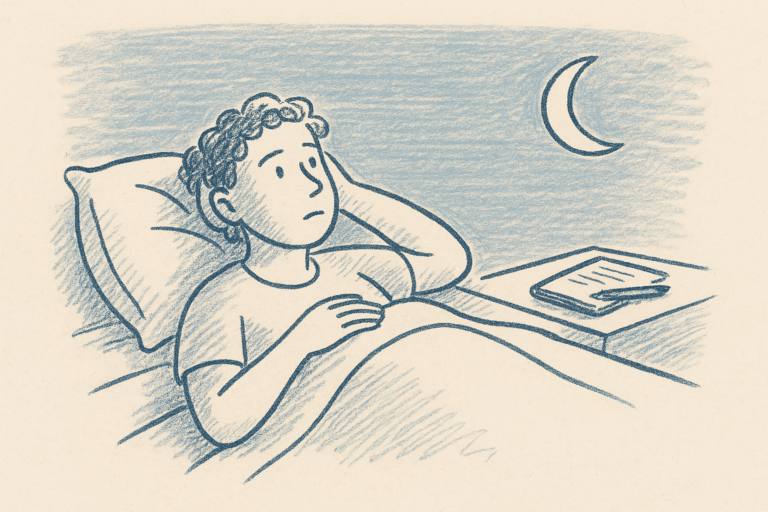
Writing this article brought back some old memories: early in my career, I was praised for getting things done and being competent. But I didn’t have a degree yet, and my inner critic wouldn’t let me forget it. The voice kept whispering, “You’re not supposed to be here.”
I recall reading that by third grade, kids already start comparing themselves—how they look, what they’re good at, and where they fit. They are very impressionable. I was adopted into a family with five big brothers who made sure I knew I was the “funny-looking one.” That talk track still likes to sound off sometimes.
If any of this hits home, you’re not alone. This article offers more about what happens in our brain when social threats show up, and how to talk back to the inner critic, especially when it’s using someone else’s highlight reel as a weapon. You’ll find great resources, as usual, for self-directed resilience power-ups, and a free download to map your critic crew.
Read on when you’re ready to talk back to your critic crew.

Comparison is one of the inner critic’s sharpest tools. It shows up fast and often, whispering that you’re behind. That someone else is more articulate, more confident, more capable. That their path should be your path. Their pace, your pace.
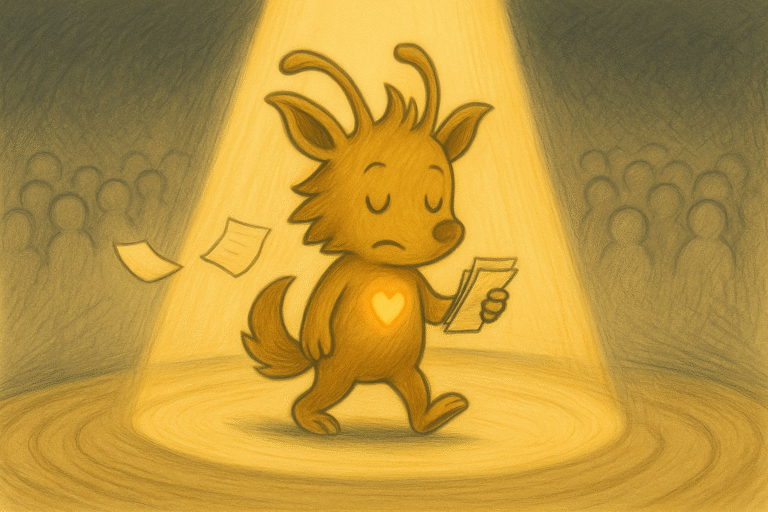
You scroll through new job announcements on LinkedIn, hear praise for a colleague, listen to people sharing their greatest hits, and suddenly, the world feels smaller. Their success somehow makes your own less valid.
You’re not alone, and it’s not a character flaw; it’s a cognitive bias, what I call a mind trap.
Rebuilding your resilience starts with a better message:
You are not behind. You’re a work in progress.
So is everyone else, no matter how polished they look.
Our brains are wired to latch on to threats, especially social ones. The amygdala lights up when we feel judged or excluded, which can make social comparison feel like a survival issue, not just a mood swing. Even when we receive positive feedback, research by John Gottman and others shows that it takes about five positive interactions to offset just one negative one. The brain gives negativity more weight, more airtime.
We often track our progress by measuring how others appear to be doing. It’s a broken compass.
You can recognize this inner critic if you hear yourself say:
“They make it look easy.”
“I should be further by now.”
“I’ll never be like them.”
This doesn’t build resilience. It erodes it. Instead of refueling, you’re draining energy on invisible battles. It’s a mind trap you can escape if you train your brain to respond differently.
What Feeds this Inner Critic?
Comparison often thrives in environments with vague expectations or unclear recognition. Here are a few common setups:
- Creating without little or no feedback on your work (of any kind) leaves a vacuum. If you don’t know how you’re doing, your brain fills in the blanks and often assumes the worst.
- Growing up with performance-based approval teaches you to equate worth by output or image. When someone else shines, it can feel like a threat to your success and stability.
- Working in cultures that glorify overachievement and constant visibility creates pressure to always be “on.” In those spaces, quiet progress or deep work can go unnoticed, leaving contributors feeling undervalued.
Each of these experiences sends the same message: value is relative, and there’s only so much to go around. But it isn’t true. Comparison narrows your focus, causing you to overlook your own growth, voice, and evidence.
The Pushback that Comes from a Culture of Overachieving
“What if I lose my edge?” Some people worry that if they stop comparing, they’ll lose motivation. It’s a fair question. In high-achieving environments, comparing yourself to others can feel like the only way to stay sharp.
But Adam Grant’s research suggests that self-doubt, when paired with curiosity, often leads to better performance. People with impostor thoughts ask more questions and remain open to learning. In short, used well, comparison can reveal what matters to you. When you admire someone’s calm under pressure or sharp communication, it might not be envy; it might be aspiration.
But when comparison runs unchecked, it turns into shame. As Brené Brown reminds us, comparison is the thief of joy and connection. It may push you, but it pushes from scarcity—not strength.
Shift from Comparing to Curiosity
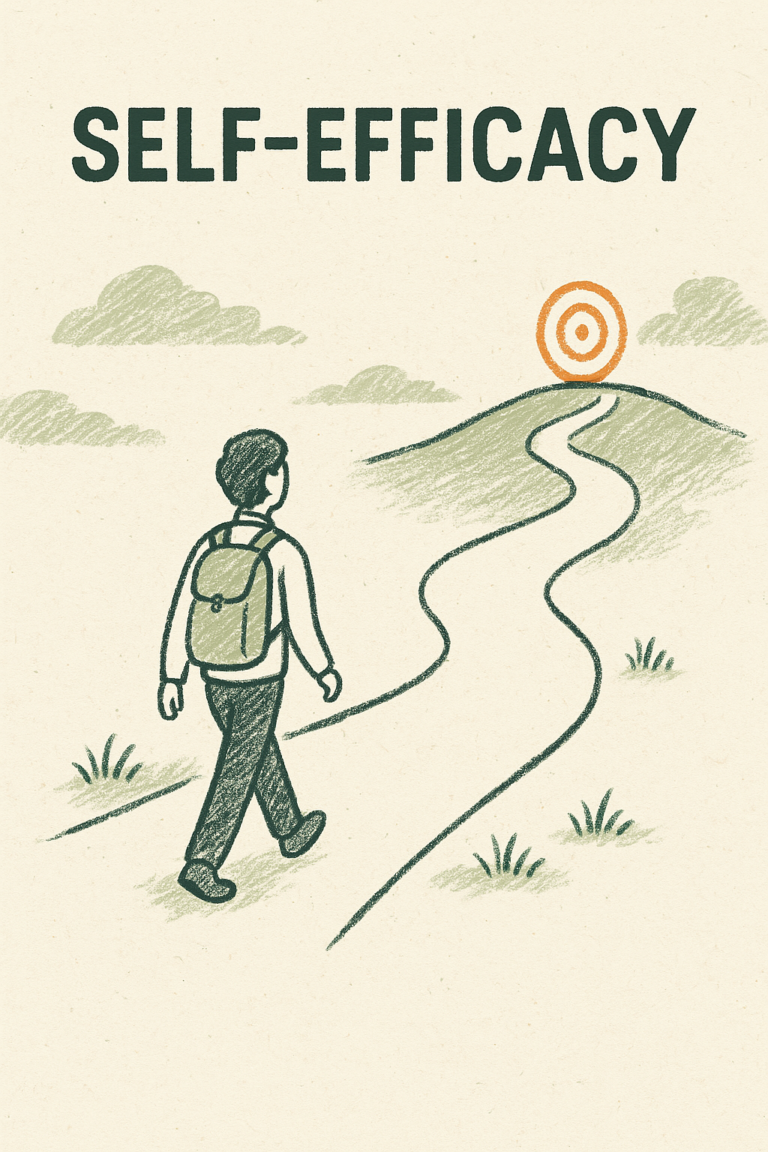
The most sustainable form of growth is self-directed. Comparison burns hot and fast. Curiosity endures. Try shifting from comparing to inquiry:
- What do I admire in them?
- What does that tell me about what I value?
- What’s one small way I could practice that trait myself?st Item
To Do

Reflect
When was the last time comparison stole your focus?

Nudge
- Get curious about that moment. Go deeper. Welcome your inner critic – what were you telling yourself in that moment?
- Map your critic crew to get clarity on the patterns. What triggers your inner critic? What voice does it use (Your parents? Your boss? Yours? (Download the Critic Crew Map to track who shows up, when, and what script they follow.)
- Ditch the scorecard. Reframe your broken compass. Speak back to yourself with points of success you can actually follow.
Reset
Borrow the inspiration. Leave the shame.
To Read
“The Gifts of Imperfection” by Brené Brown is packed with so much great information; however, Chapter 7, specifically “Cultivating Creativity – Letting Go of Comparison,” is especially relevant to this article.
To Watch
Brené Brown: Why Your Critics Aren’t The Ones Who Count A 22-minute powerful video to explore shame, scarcity, and comparison.
Until Next Time
No more scorecards. Trash the broken compass. Start talking back to the “compare and despair” thief with more compassion. Next, we’ll explore how self-directed growth helps fuel sustainable positivity.