Connection Strengthens Resilience
Resilience is often framed as something internal—your mindset, your habits, your ability to recover. Human connection is one of the most powerful resilience tools we have.

Resilience is often framed as something internal—your mindset, your habits, your ability to recover. Human connection is one of the most powerful resilience tools we have.
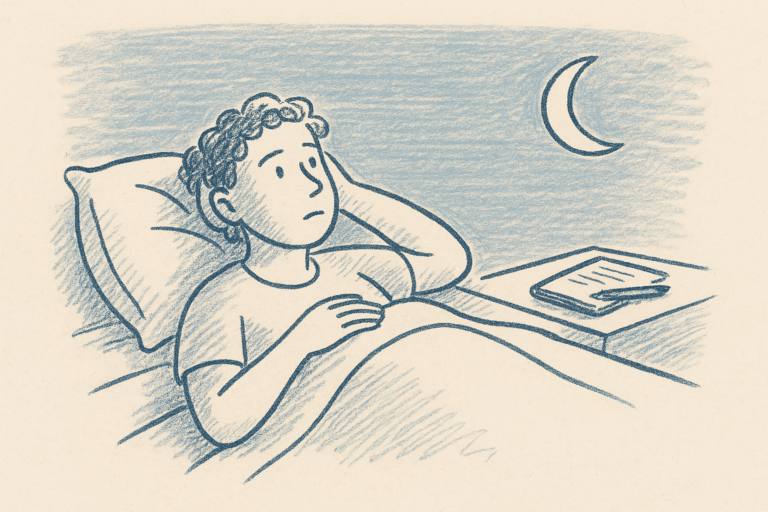
Nighttime stress is a very real response to overstimulation, under-processed emotion, and a nervous system stuck in overdrive. There are ways to gently bring yourself back to calm.

Resilience isn’t just something we build for ourselves—it’s something we can model and nurture in others.

Resilience is more than a moment—it’s a practice. By embedding small practices into our lives, we build a buffer against burnout and thrive through change.

That quiet voice saying, “I’m not worth it” isn’t humility, it’s self-erasure.
This post examines the distinction between self-worth, confidence, self-esteem, and impostor syndrome. And why reclaiming your value, especially when you hesitate to care for yourself, is an act of quiet resilience.
When “I’m not worth it” becomes the story, it’s time to talk back.
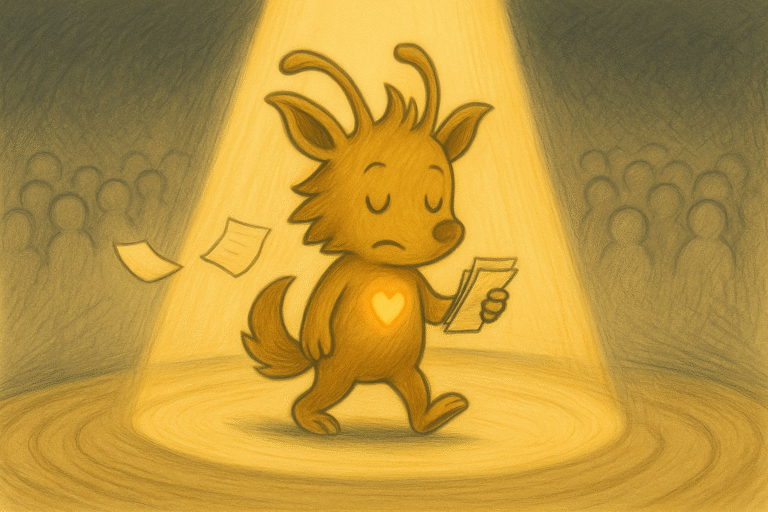
There’s a quiet pressure many of us carry, that we need to do more to be more. But “enoughness” isn’t a finish line. It’s a belief you practice, especially when the inner critic says you haven’t earned belonging.
Impostor syndrome convinces us we need to prove, perform, or perfect before we belong. This piece unpacks how impostor thoughts sneak in even when we’re succeeding, and why talking back to the lie of “I don’t belong here” is essential to building resilience.

Self-esteem isn’t about being loud, visible, or impressive—it’s about believing you count.
When you feel unseen or small, the inner critic says your contributions don’t matter. But they do. This post challenges that belief and reminds you: your presence makes a difference, even when no one applauds it.
You don’t have to wait for validation to talk back.